
At present, research in the Helaja group covers three areas: ligand development for gold catalysis, catalysis with oxygen-containing “quinoidic” carbon materials and photoredox catalysis with molecular quinones.
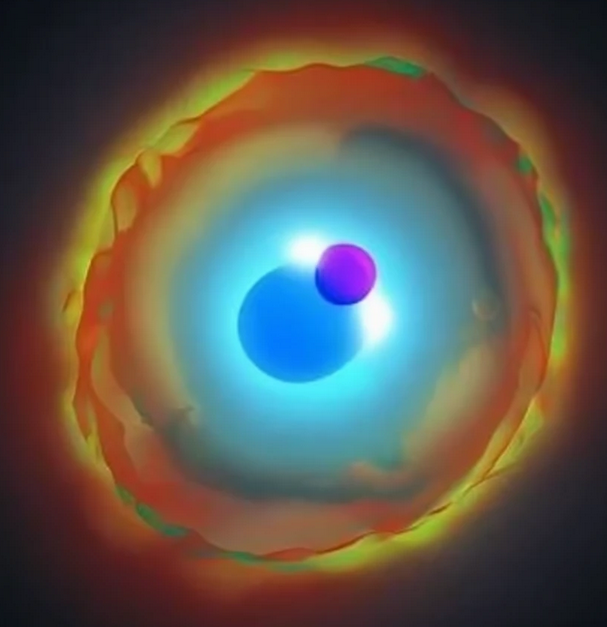



Versatile utilization of computational tools represent the forefront for synthetic development. Theoretical support is sought from quantum chemical calculation to rationalize reaction pathways, allow estimation of (physico)chemical properties and predictions of experimentally validated reactivity. Therefore we believe that every chemist must understand how to perform and utilize quantum chemical computations at basic level. In the case of theoretically advanced problems, e.g. related to machine learning, we are in collaboration with the top experts in fields.
 Research group of Dr. Juho Helaja